Food Allergen Awareness Training: Protect Guests and Your Business
If you run a restaurant, café, or any food service operation, there’s one risk that can turn a normal shift into an emergency in just a few minutes: a guest having a serious allergic reaction. Food allergies are common, and when a guest says, “I’m allergic to this,” they’re not making small talk—they’re warning you about something that can literally be life or death, which is exactly why food allergen awareness training is so important.
The challenge is that many food workers never get more than a quick, informal talk about allergens. They may not know the major food allergens, how cross-contact happens, or what to do if a guest starts to show signs of an allergic reaction. That’s exactly why Food Allergen Awareness training exists. In this post, we’ll walk through what allergen training covers, who should take it, and how your team can complete an online course and certification from anywhere.
What Is a Food Allergen Awareness Course?
A Food Allergen Awareness course is an online training program that teaches food workers how to recognize and handle food allergies safely. It explains what a food allergy is, how it differs from a food intolerance, and why some reactions can become life‑threatening very quickly.
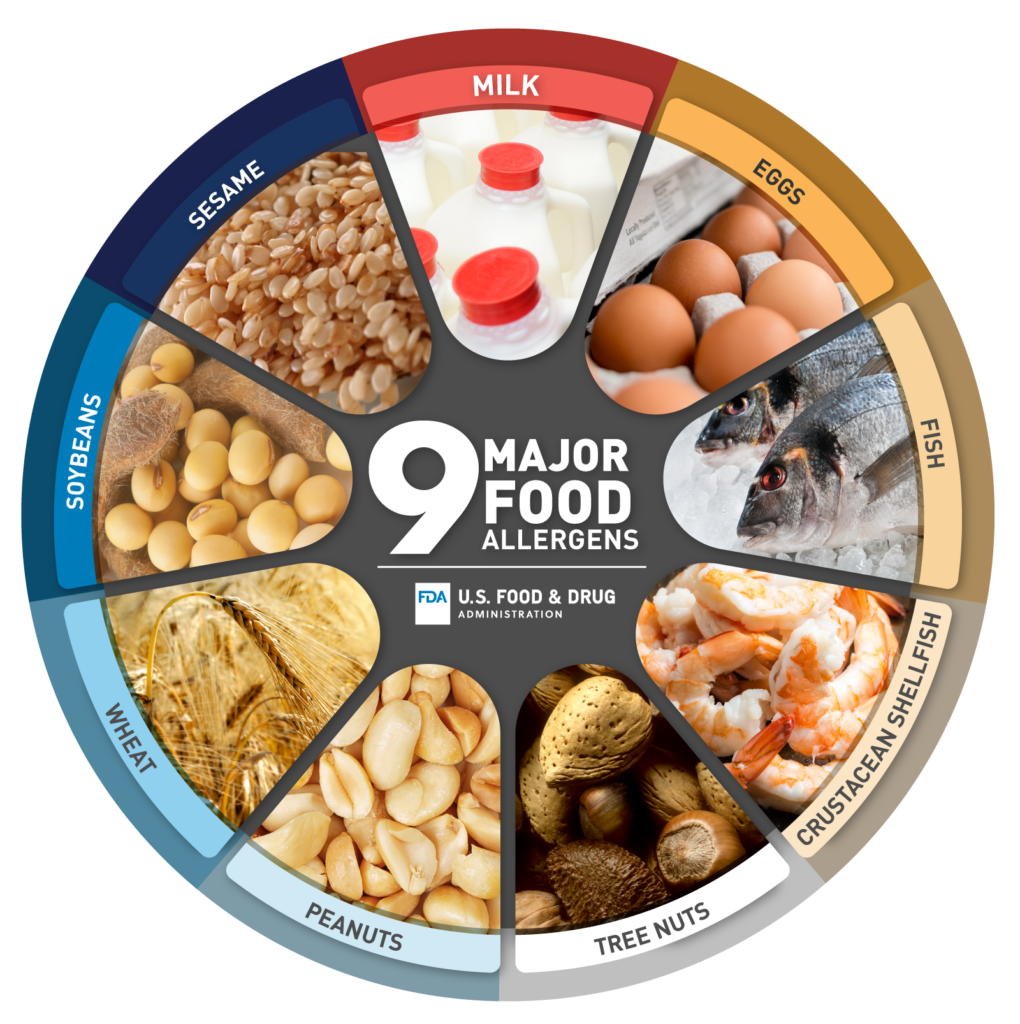
Most courses cover the major food allergens recognized by regulators, such as milk, eggs, fish, shellfish, tree nuts, peanuts, wheat, soy, and sesame. They teach where these allergens often hide in recipes, sauces, packaged foods, and cross‑contact points. They also walk through the symptoms of an allergic reaction and how to respond if it happens in your establishment.
Our Food Allergen Awareness course is delivered online so your staff can learn through clear, step‑by‑step lessons with built‑in quiz questions along the way. At the end, there is an exam to confirm they understand the key concepts before a certificate is issued.
Who Should Take Food Allergen Awareness Training?
While some states and local areas have specific allergen training laws for certain positions, the reality is simple: anyone who prepares, handles, serves, or sells food can benefit from allergen awareness training. That includes:
- Line cooks and prep cooks who handle ingredients and recipes
- Servers and counter staff who talk directly with guests
- Cashiers in quick‑service settings who take orders and answer questions
- Managers and supervisors who oversee the kitchen and dining room
- Catering and event staff who work with large, mixed groups of guests
In some places, food allergen awareness and posting requirements are written directly into the food code for certain establishments. Even where it’s not legally required, many foodservice companies now treat allergen training as essential, just like basic food safety, because they understand the risk to both guests and the business if something goes wrong.
If your team ever hears questions like “Is there dairy in this?” or “Can you make that without nuts?”, then they will benefit from this training. It gives them the confidence to answer correctly and to follow safe procedures every time.
What Your Team Will Learn in an Online Allergen Awareness Course
A good allergen awareness course does more than just list a few common allergens. It gives food workers a clear picture of how to protect guests from exposure. Common topics include:
- Understanding food allergies: what they are, how they affect the body, and how they differ from intolerances or sensitivities.
- Recognizing the major food allergens and hidden sources of these ingredients in recipes and packaged foods.
- Preventing cross-contact when preparing, cooking, and plating food so allergen‑free orders stay safe.
- Reading labels and ingredient lists carefully to spot allergen warnings and advisory statements.
- Communicating with guests and coworkers about allergies, including what to say and what not to promise.
- Recognizing symptoms of an allergic reaction and knowing how to respond and alert emergency services.
Courses are usually structured in short video or slide‑based chapters with questions at the end of each section. That way, learners build knowledge step by step instead of being hit with everything at once.
Why Food Allergen Training Matters So Much
For guests with food allergies, eating out can be stressful. They may worry about every step of the process – from how ingredients are stored to how their plate is handled in the window. One mistake in the kitchen can lead to hives, trouble breathing, or full anaphylaxis that requires emergency treatment.
From a business perspective, an allergen incident can lead to bad reviews, loss of trust, investigations, and even legal action. Many high‑profile cases where guests had severe reactions in restaurants could have been prevented if staff had followed basic allergen‑control steps and communicated more clearly.
Allergen awareness training gives your team a shared language and playbook. Instead of guessing or relying on “common sense,” they know exactly how to handle allergen orders, when to ask for help from a manager, and what steps to follow if something goes wrong. That protects your guests and your reputation at the same time.
How Our Online Food Allergen Awareness Course Works
Our online Food Allergen Awareness Certification is built for real kitchens and busy schedules. It uses TAP Series training content that has been developed specifically for foodservice staff and can be completed on a computer, tablet, or smartphone. Here’s how it works, step by step:
Step 1: Enroll Online
You simply send your team to our Food Allergen Awareness course page. From there, they can enroll online, create an account, and get instant access to the training. There is no waiting for scheduled classes or printed materials in the mail.
Step 2: Complete the Lessons at Their Own Pace
The course is broken into short, focused sections that most people can complete in about an hour, depending on the specific program and pace. Staff can start, pause, and resume as needed, which makes it easy to fit into downtime or slow periods without disrupting service.
Each chapter explains key ideas about allergens, cross-contact, labeling, and communication, and then asks a few quick questions to make sure the learner understood the material before moving on.
Step 3: Pass the Allergen Exam
After finishing the lessons, students take a final exam to test their knowledge. Most allergen awareness programs require a passing score and may allow a limited number of attempts. The questions are drawn directly from the course content, so anyone who paid attention and worked through each section should be in a good position to pass.
Step 4: Download and Print the Certificate
When a student passes the exam, they can immediately download and print their Food Allergen Awareness certificate. You can keep copies on file at your location to show inspectors, corporate auditors, or anyone who wants to see proof of training.
Many allergen courses are valid for three years, before renewal is needed. It’s a good idea to track expiration dates so you can schedule refresher training before certificates run out.
Make Allergen Awareness Part of Your Training Plan
It’s easy to think of allergen training as “extra” on top of basic food safety, but for many guests, it’s the most important piece. When your team knows how to handle allergen orders correctly, you reduce risk, build trust, and show that you truly care about your customers’ health.
Instead of waiting for a close call or a serious reaction to highlight gaps in your training, you can make allergen awareness part of your normal onboarding and ongoing education. New hires learn the basics, and experienced staff get a helpful refresher that keeps best practices top of mind.
With online Food Allergen Awareness certification, training your team is simple, flexible, and affordable. Your staff can get the knowledge they need in about an hour, and you get peace of mind knowing they are better prepared to serve every guest safely.
Get Food Allergen Awareness Certification Online
Click the button to enroll your team in our Food Allergen Awareness course and help protect your guests, your staff, and your business every time you serve a meal.