The 9 Major Food Allergens Every Food Worker Must Know
Food allergies are a serious, daily reality in foodservice, and even tiny amounts of an allergen can trigger a life‑threatening reaction. The FDA recognizes nine major food allergens that account for most severe reactions in the United States, and every food worker should know them on sight.
The 9 major food allergens
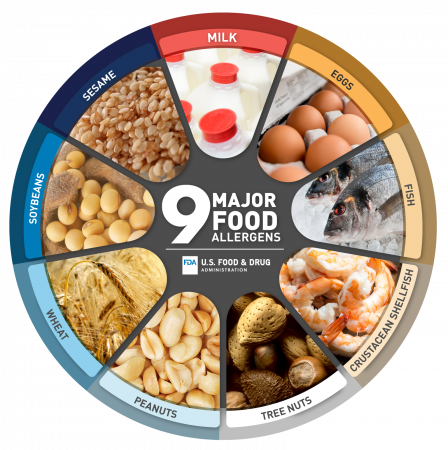
In U.S. law, the current list of major food allergens is: milk, egg, fish, Crustacean shellfish, tree nuts, peanuts, wheat, soybeans, and sesame. These foods are responsible for the vast majority of serious allergic reactions, including anaphylaxis, and must be clearly labeled when used as ingredients in packaged foods.
In a restaurant or foodservice environment, these allergens appear in obvious forms (like a shrimp entrée or a peanut sauce) and in hidden ingredients such as marinades, spice blends, sauces, bakery items, and processed foods. Because even trace amounts can be dangerous, staff cannot rely on guesswork; they need reliable information about what is in every menu item.
Allergies, intolerances, and celiac disease
Not every reaction to food is an allergy, and understanding the difference helps staff take the right level of care. A true food allergy involves the immune system and can cause rapid, severe reactions from very small exposures. Intolerances (like lactose intolerance) are usually dose‑dependent and uncomfortable but less likely to be immediately life‑threatening, while celiac disease is an autoimmune condition triggered by gluten.
For food workers, the safest assumption is that when a guest says “I have an allergy,” the kitchen must treat that request with maximum care. This includes checking ingredients, preventing cross‑contact, and following clearly defined procedures for allergy orders.
Why the FDA Food Code cares about allergen awareness
The FDA Food Code provides a model for how states and local regulators expect food to be handled safely, and that includes managing food allergens. It places responsibility on the person in charge to ensure that food is safe and that staff are trained to prevent illness or injury, which extends to protecting guests with food allergies.
In practice, this means operators should know which allergens are present in their recipes, be able to answer guest questions accurately, and have processes that minimize the risk of serving an allergen to someone who must avoid it. Many jurisdictions now also add their own allergen‑training requirements on top of this baseline expectation.
Hidden allergens and menu transparency
The hardest part of allergen management is not just memorizing a list of nine items; it is spotting where those allergens hide in real‑world menus. Wheat can appear in breading, soy in sauces or marinades, and tree nuts in pestos, desserts, and garnishes. Sesame, now a major allergen under U.S. law, can be present in buns, crackers, dressings, hummus, and spice blends.
Clear documentation—recipes, prep sheets, and allergen charts—is essential to support front‑ and back‑of‑house staff. When ingredients or suppliers change, these documents should be updated promptly so staff do not unknowingly give outdated or unsafe information to guests.
The role of allergen awareness training
Allergen awareness training helps bridge the gap between regulatory expectations and day‑to‑day operations. Structured courses are built to give managers and staff a solid understanding of the nine major allergens, hidden sources, and safe handling practices.
These programs typically cover:
- The nine major allergens and how they appear in real menus
- The difference between allergies, intolerances, and coeliac disease
- How to prevent cross‑contact throughout the flow of food
- How to communicate clearly with guests and within the team about allergens
How to recognize symptoms of an allergic reaction and respond appropriately
Because laws and expectations continue to evolve, many programs align with FDA Food Code guidance and are accredited to recognized standards, giving operators confidence that their training meets current best practice.
Why this matters for your operation
For food businesses, understanding and managing the nine major allergens is both a legal obligation and a key trust signal to guests. Strong allergen awareness reduces the risk of medical emergencies, complaints, and regulatory problems, while also showing allergy‑sensitive customers that their safety is taken seriously.
Pairing clear documentation and procedures with formal allergen awareness training creates a culture where staff know the major allergens, respect how dangerous they can be, and handle them correctly every day.
Click here to learn more with our online Allergen Awareness Course – Only 18.95!